
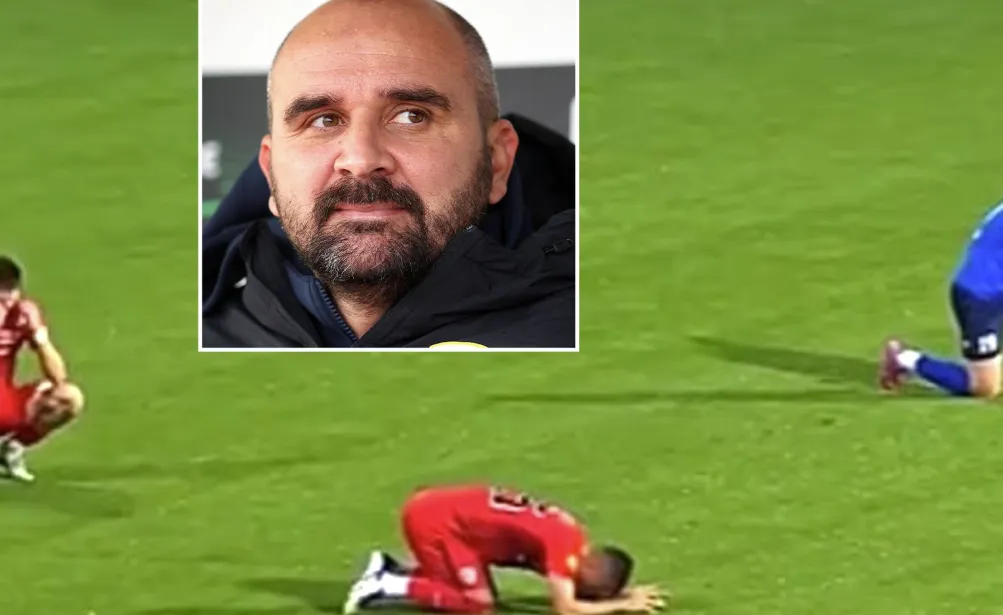
The world of football was shaken by a devastating event that unfolded on the pitch in Serbia, where a club coach tragically passed away due to a heart attack during an active match. This harrowing incident has sent ripples of grief through the sports community, reminding us all of the fragility of life even in the midst of our greatest passions. As a sports commentator for Jaya9, I’ve seen many emotional moments in football, but this one cuts deep, raising critical questions about health protocols and the immense pressure on coaching staff. In this article, we’ll dive deep into the details of the tragedy, explore the timeline of events, and discuss what this means for the future of the sport.
Who Was the Coach and What Happened?
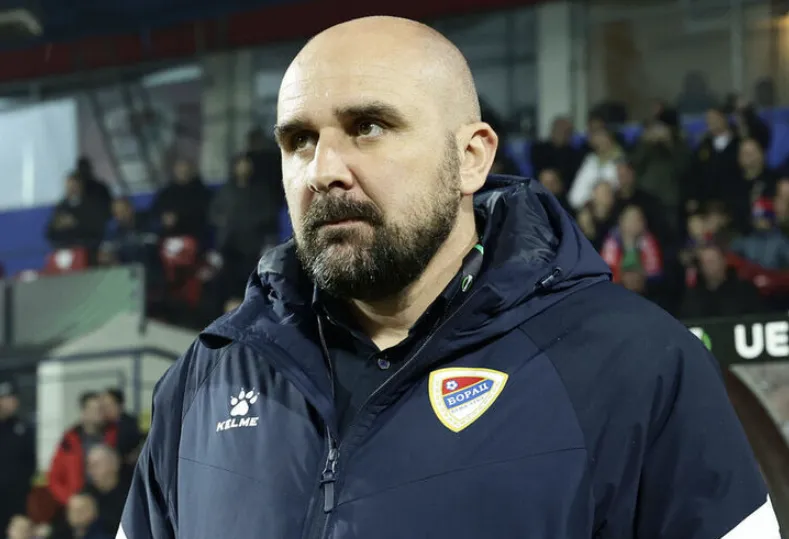
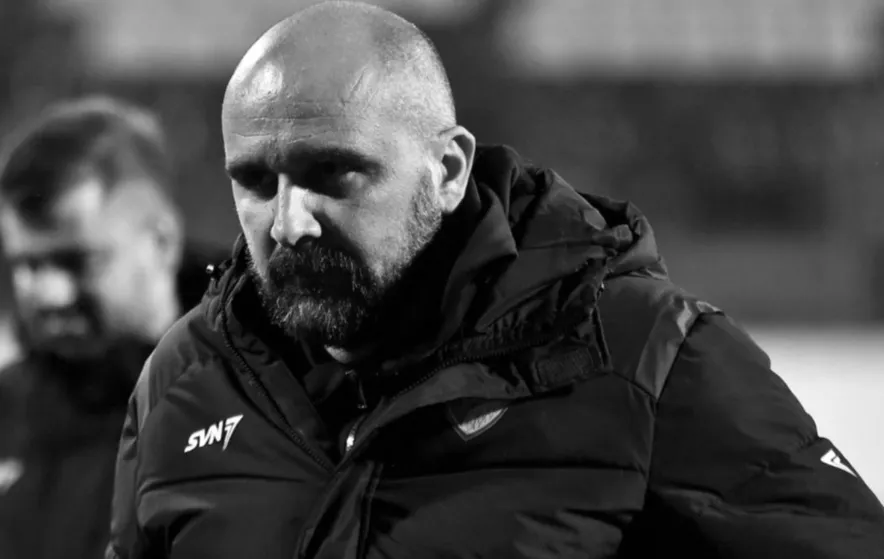
The incident occurred during a lower-league match in Serbia, where the head coach of a local club collapsed on the sidelines. The coach, identified by local media as a well-respected figure in Serbian football, was known for his passionate demeanor and tactical acumen. He had been leading his team through a tense fixture when, without warning, he suffered a sudden cardiac arrest. Despite immediate efforts from medical staff, he was pronounced dead upon arrival at the hospital. This tragic loss has left players, fans, and the broader football community in shock.
A Moment of Silence Turns to Grief
As the match progressed, witnesses reported that the coach was visibly animated, shouting instructions from the technical area. Suddenly, he clutched his chest and collapsed. The referee immediately stopped the game, and paramedics rushed to his side. The players from both teams gathered around, some in tears, as they realized the gravity of the situation. This moment underscored how football, often a source of joy, can also be a stage for profound sorrow.
The Timeline of a Heartbreaking Day
To fully understand the tragedy, let’s break down the timeline based on reports from the Serbian Football Association and eyewitness accounts. This structured look helps us grasp the rapid sequence of events that led to this unthinkable outcome.
First Half: Normal Play, Rising Tension
The match kicked off at a local stadium in Serbia, with both teams vying for crucial points in their league campaign. The coach was seen pacing the sidelines, energetically directing his players. There were no early signs of distress, though some close aides later noted he had complained of fatigue earlier in the week.
The Critical Moment: Collapse on the Sideline
Around the 35th minute of the first half, the coach suddenly bent over and fell to his knees. Within seconds, he was on the ground. The team’s physiotherapist was the first to reach him, followed by the match doctor. They began CPR immediately, but the coach remained unresponsive. An ambulance was called, but it took nearly 15 minutes to arrive—a delay that has sparked debate about emergency preparedness at smaller stadiums.
Aftermath: Match Abandoned, Community in Mourning
The match was swiftly abandoned, with both teams retreating to the dressing rooms. The coach was transported to a nearby hospital, where medical staff attempted resuscitation for over an hour. Sadly, they could not revive him. The Serbian Football Association later released a statement expressing deep condolences, and flags were flown at half-mast across the country’s football grounds.
What Caused the Heart Attack? Expert Insights on Health Risks in Football
While the official cause of death has been listed as a heart attack, medical experts have weighed in on the broader implications for coaches and players. Dr. Marko Jovanović, a leading sports cardiologist in Belgrade, explained that the high-pressure environment of football management can significantly increase cardiac risk. “Coaching at any level involves immense stress—late nights analyzing tactics, emotional highs and lows during matches, and often poor diet and sleep habits,” he said. “These factors can be a perfect storm for individuals with underlying heart conditions.”
The Importance of Regular Health Screenings
This tragedy highlights a critical need for regular cardiovascular screenings for coaching staff, not just players. In many leagues, medical checks are mandatory for athletes but often overlooked for technical staff. Jaya9 has consistently advocated for comprehensive health protocols across all levels of football. The coach’s passing should serve as a wake-up call for clubs to invest in annual heart screenings, stress management programs, and on-site defibrillators at every match venue.
Comparing This Incident to Historical Cases in Football
This is not the first time football has mourned a sudden death on the sidelines. In 2012, Bolton Wanderers’ Fabrice Muamba suffered a cardiac arrest during a match, though he survived thanks to rapid medical intervention. More recently, in 2021, Danish player Christian Eriksen collapsed on the pitch during the Euro 2020 tournament. Eriksen’s case was a success story because of the immediate availability of a defibrillator and quick-thinking medical staff.
Lessons Learned and Missed Opportunities
In the Serbian case, delays in ambulance response and the absence of an automated external defibrillator (AED) on site may have cost precious minutes. Comparatively, in the Eriksen incident, medical staff had a defibrillator deployed within seconds of his collapse. This stark contrast underscores a glaring gap in emergency preparedness at smaller clubs and lower-league matches. Football authorities must enforce uniform standards for medical equipment, regardless of the level of competition.
How the Serbian Football Community is Responding
In the wake of the tragedy, the Serbian Football Association has announced an immediate review of medical protocols at all affiliated clubs. They are also planning a nationwide fundraiser to equip every stadium with AEDs and train staff in emergency response. Additionally, a memorial match is being organized to honor the coach’s life and raise awareness about heart health. The coach’s family has requested privacy but expressed gratitude for the outpouring of support from the football world.
Tributes Pouring in from Across Europe
Clubs from Serbia’s top division, as well as international teams, have paid tribute. Red Star Belgrade observed a minute of silence before their next match, and coaches across the league wore black armbands. This collective mourning reflects the tight-knit nature of the football community, where a loss in one corner is felt everywhere.
What This Means for the Future of Football Coaching
The tragic death of this Serbian coach should prompt a deeper conversation about the physical and mental toll of football coaching. Many coaches work under extreme pressure, often sacrificing their own health for the success of their teams. Jaya9 believes that it is time for clubs and governing bodies to prioritize the well-being of all football personnel. Here are some key measures that should be implemented:
Mandatory Health Breaks and Stress Management
Coaches should be encouraged to take regular breaks during the season, and clubs should provide access to sports psychologists and nutritionists. Additionally, matchday protocols should include mandatory rest periods for coaching staff, especially during high-intensity fixtures.
Standardized Emergency Medical Equipment
Every stadium, regardless of size, should have at least one AED and a trained medical team on site during matches. This is a simple but life-saving measure that can mean the difference between life and death in cardiac emergencies.
Regular Cardiovascular Check-ups for All Staff
Just as players undergo pre-season medicals, coaches and support staff should have annual heart health screenings. This can help identify risk factors early and prevent tragedies.
Final Reflections: A Call to Action for the Football Family
As we reflect on this heartbreaking event, it’s clear that football has a responsibility to protect those who dedicate their lives to the sport. The death of this Serbian coach is not just a statistic; it is a reminder that behind every tactical decision and every victory lap, there is a human being with a heart that needs care. Jaya9 encourages all readers to share this story, not to sensationalize tragedy, but to spread awareness about heart health in sports.
Let’s honor the memory of this dedicated coach by pushing for real change in how we approach health and safety in football. Have you ever experienced a similar incident in your local sports community? Leave a comment below, share your thoughts on social media, or explore more articles on Jaya9 to stay informed about the latest developments in the beautiful game. Together, we can make the sport safer for everyone.
