
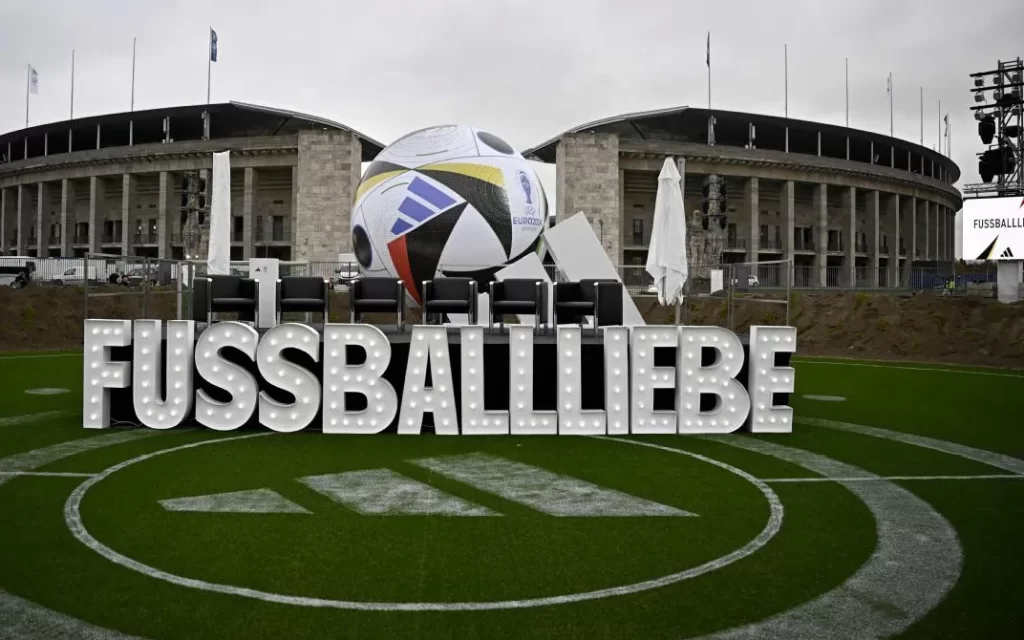
The excitement is building as Europe’s top football nations prepare to discover their fate for the Euro 2024 finals draw. With the tournament set to take place in Germany next summer, fans and players alike are eagerly awaiting the moment when the group stage matchups will be revealed. This year’s draw promises to be one of the most anticipated in recent memory, with several heavyweight teams lurking in the lower pots and the potential for a true “group of death” to emerge. Let’s dive deep into everything you need to know about the Euro 2024 finals draw, including the date, format, seeding structure, and what it all means for the teams involved.
When and Where Will the Euro 2024 Finals Draw Take Place?
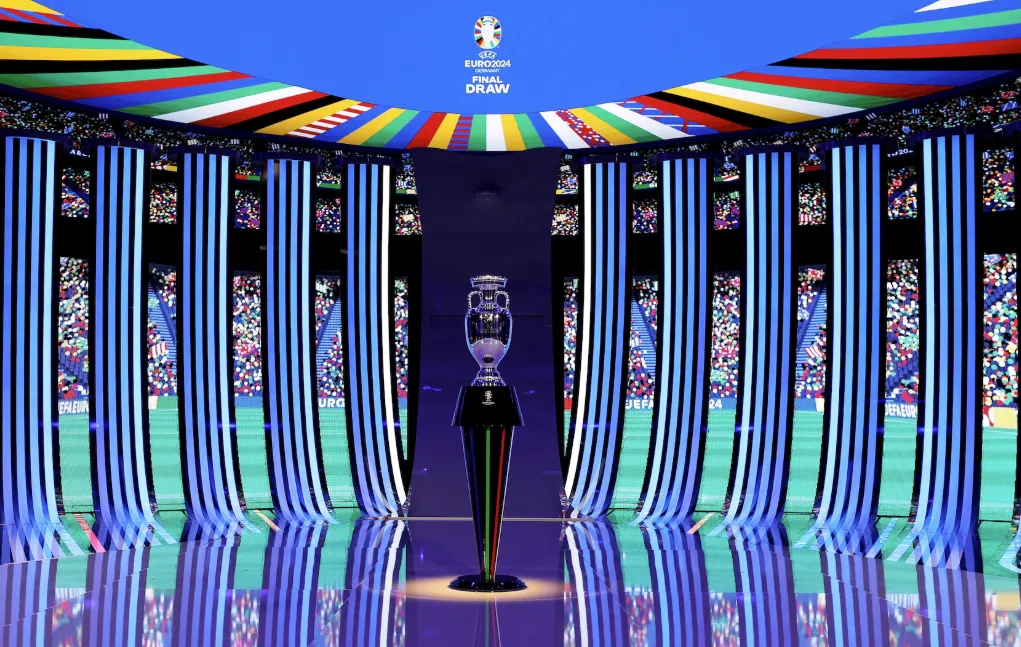
The official draw ceremony for the Euro 2024 finals is scheduled to take place on Saturday, December 2, 2023, in Hamburg, Germany. The historic city, known for its rich football culture and stunning architecture, will host the event at the Elbphilharmonie concert hall, providing a spectacular backdrop for one of the most important moments in the tournament’s buildup.
The draw is expected to begin at 17:00 GMT (18:00 CET) and will be broadcast live across multiple platforms, including Jaya9, ensuring fans from around the world can witness the proceedings as they happen. With more than 50 European nations having battled through qualifying, only 23 teams will join host nation Germany in the final tournament, making this draw a critical moment for every participating country.
Understanding the Euro 2024 Tournament Format
Before diving into the draw specifics, it’s essential to understand how the Euro 2024 tournament will be structured. The finals will feature 24 teams divided into six groups of four, with the top two from each group advancing to the knockout stage alongside the four best third-place finishers.
Group Stage Structure
The group stage format remains unchanged from the previous edition, with each team playing three matches within their respective group. This format has proven to be exciting and unpredictable, as seen in Euro 2020 where several underdog teams advanced past the group stage to create memorable moments.
Knockout Phase
Following the group stage, the tournament transitions into a straight knockout format, featuring round of 16 matches, quarter-finals, semi-finals, and ultimately the grand final at Berlin’s Olympiastadion on July 14, 2024. The path through the knockout stage will largely depend on which group a team is drawn into and their subsequent performance.
How Are the Seeding Pots Determined?
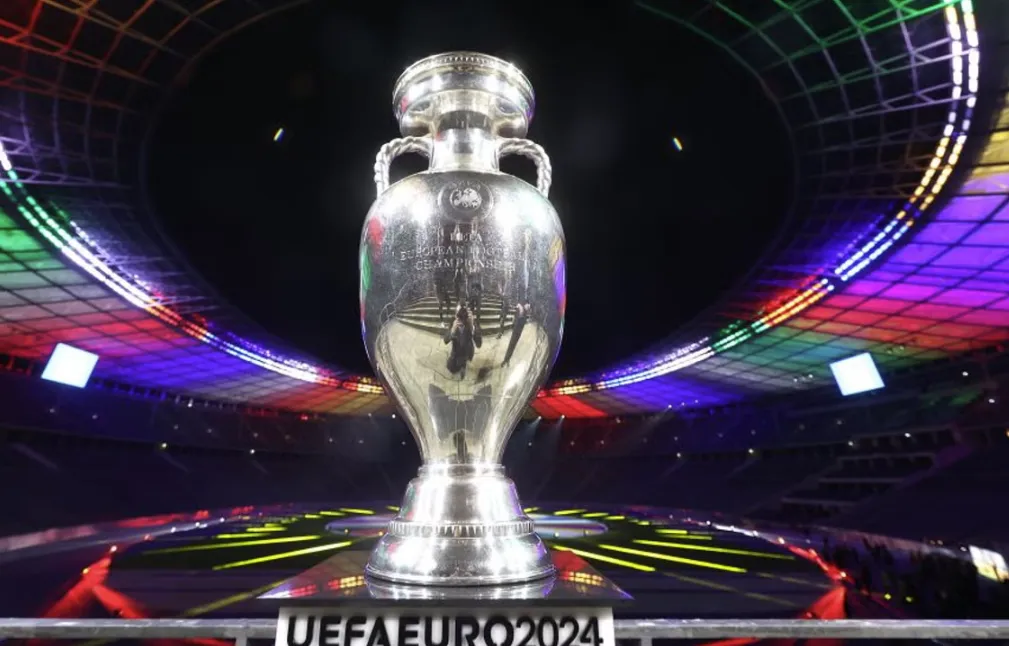
The seeding system for the Euro 2024 finals draw is based on the teams’ performances during the qualifying campaign. The 24 qualified teams are divided into four pots of six teams each, with the host nation Germany automatically placed in Pot 1 as the top seed.
Pot 1: The Top Seeds
Pot 1 consists of the host nation Germany plus the five best-performing group winners from qualifying. These teams have earned their place at the top through consistent performances and are considered the strongest contenders for the title.
Pots 2, 3, and 4
The remaining teams are distributed across Pots 2, 3, and 4 based on their qualifying records, with consideration given to their overall UEFA rankings. This creates an interesting dynamic where some traditionally strong teams could find themselves in lower pots, potentially creating very challenging groups.
Complete Breakdown of Pot Allocations
According to the latest information from Jaya9, the pot allocations for the Euro 2024 finals draw are structured as follows:
Pot 1 Teams
- Germany (hosts, automatically placed)
- Portugal (top performing qualifier)
- France (dominant qualifying campaign)
- Spain (consistent throughout qualifying)
- Belgium (strong group stage performance)
- England (undefeated in qualifying)
Pot 2 Teams
This pot includes teams that performed well in qualifying but didn’t quite reach the top seed level. Notable names include:
- Netherlands
- Italy (defending champions)
- Croatia
- Denmark
- Switzerland
- Austria
Pot 3 Teams
The third pot contains several dangerous teams capable of causing major upsets:
- Hungary
- Turkey
- Scotland
- Slovenia
- Czech Republic
- Albania
Pot 4 Teams
The final pot features the remaining qualified teams, including playoff winners:
- Serbia
- Georgia (playoff winner)
- Ukraine
- Romania
- Slovakia
- Playoff Winner C (to be determined)
The “Group of Death” Potential
One of the most exciting aspects of any major tournament draw is the possibility of a “group of death” emerging. With the current seeding structure, several scenarios could lead to incredibly competitive groups that would test even the strongest teams.
What Makes a Group of Death?
A group of death typically consists of multiple strong teams from different pots, creating a situation where at least one high-quality team will be eliminated in the group stage. Given the depth of talent in Pots 2 and 3 this year, the potential for such a group is higher than ever.
Possible Scenarios
If France (Pot 1) were to be drawn with Netherlands (Pot 2) and Hungary (Pot 3), this would create an extremely competitive group. Alternatively, England facing Italy (Pot 2) and Turkey (Pot 3) would also make for fascinating matchups, reviving recent rivalries from Euro 2020.
Key Constraints and Rules in the Draw
The draw process follows specific rules to ensure geographic balance and avoid certain conflicts:
Geographic Restrictions
- No group can contain more than one team from the same qualifying group
- Teams from certain regions may be kept apart to maximize broadcasting appeal
- Host nation Germany is automatically placed in Group A and will play the opening match
Political Considerations
UEFA has implemented rules to keep certain nations separated due to political tensions. These constraints ensure the tournament focuses purely on football and maintains a positive atmosphere throughout.
Historical Context: Previous Euro Draws
Looking back at recent European Championship draws provides valuable context for what to expect:
Euro 2020 Draw
The draw for the delayed Euro 2020 created several memorable groups, including Group F which featured France, Germany, Portugal, and Hungary. This group lived up to its “group of death” billing, with dramatic matches throughout.
Euro 2016 Draw
The expansion to 24 teams for Euro 2016 created new dynamics in the draw process, with Portugal ultimately winning the tournament despite finishing third in their group during the group stage.
What the Draw Means for Each Pot
Advantages for Pot 1 Teams
Teams in Pot 1 have the luxury of avoiding each other in the group stage, theoretically giving them an easier path to the knockout rounds. However, the depth of quality in the lower pots means no team can afford to be complacent.
Challenges for Lower Seeded Teams
Teams in Pots 3 and 4 face the toughest challenge, often needing to pull off significant upsets to advance. However, history shows that lower-seeded teams can and do succeed, with Greece’s triumph in Euro 2004 being the ultimate example.
Expert Predictions and Analysis
Football analysts and former players have been sharing their thoughts on what to expect from the draw:
Mark Thompson’s Analysis
Renowned football analyst Mark Thompson from Sky Sports commented: “This year’s draw has the potential to be one of the most unpredictable in recent memory. The depth of quality in Pots 2 and 3 means that even the top seeds cannot feel completely comfortable about their group stage prospects.”
Historical Precedent
Looking at past tournaments, the draw often creates unexpected storylines. “The beauty of the European Championship is that the draw is just the beginning,” Thompson added. “Once the ball is rolling, anything can happen.”
How to Follow the Draw
Fans around the world can follow the draw through multiple channels:
Live Broadcast
The draw will be broadcast live on major sports networks across Europe and beyond. For those unable to watch live, comprehensive coverage and analysis will be available online.
Digital Coverage
With the draw being a global event, fans can stay updated through official UEFA channels and major sports news outlets. The analysis and reaction will be available almost instantly as the groups are revealed.
Preparing for the Tournament
Once the draw is complete, teams will begin making specific preparations for their group stage opponents:
Tactical Adjustments
National team managers will immediately begin analyzing their group stage opponents, identifying strengths and weaknesses to exploit. The preparation period between the draw and the tournament is crucial for developing effective strategies.
Fan Expectations
For fans, the draw provides the first real glimpse of what to expect from the tournament. Groups will be analyzed endlessly, predictions made, and tickets purchased as the excitement builds toward June 2024.
Looking Beyond the Draw
While the draw is a significant milestone, it’s important to remember that it’s just the beginning of the tournament journey:
Focus on Performance
The draw sets the stage, but actual performance on the pitch determines success. Many teams have been drawn into difficult groups only to emerge as tournament favorites, while others have stumbled despite favorable draws.
Embracing the Uncertainty
The unpredictable nature of tournament football is what makes it so compelling. Underdog stories, stunning upsets, and dramatic moments await regardless of how the draw unfolds.
Conclusion
The Euro 2024 finals draw represents a pivotal moment in the buildup to one of world football’s most prestigious tournaments. With the ceremony scheduled for December 2, 2023, in Hamburg, the football world will be watching closely as the 24 qualified teams discover their group stage opponents. The seeding system has created the potential for several challenging groups, and the excitement surrounding the draw is palpable.
As we count down to the draw, fans can start dreaming about potential matchups and imagining how their favorite teams will fare. Whether you’re supporting a top seed or an underdog, the Euro 2024 finals promise to deliver unforgettable moments and world-class football. The journey from the draw to the final in Berlin will be filled with drama, passion, and the beautiful game at its finest.
