
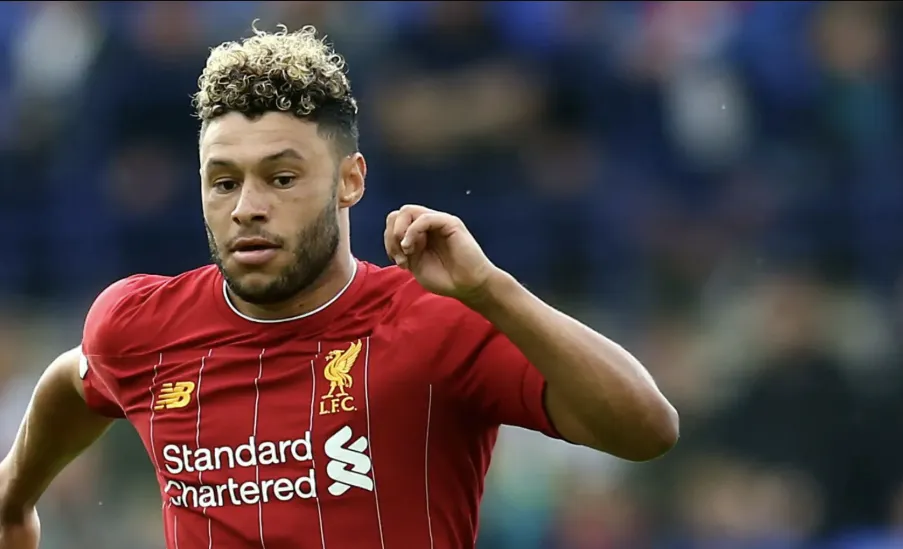
The summer transfer window has always been a time of excitement and anticipation for football fans, and few deals have sparked as much conversation as Liverpool‘s decision to secure Alex Oxlade-Chamberlain from Arsenal. Let me take you back to when this story broke, sharing the kind of detailed insight that makes the beautiful game even more compelling. The move, valued at approximately £40 million, represented not just a significant financial outlay but a statement of intent from the Reds as they looked to reshape their squad for the challenges ahead. I remember discussing this with fellow analysts at the time, and the general consensus was clear: this wasn’t just another signing—it was a calculated gamble on potential and versatility.
For those of us who follow football closely, the transfer of a player like Oxlade-Chamberlain always carries weight. He arrived at Anfield with a reputation forged in the heat of Premier League battles, having honed his skills under the intense scrutiny of Arsenal’s demanding fanbase. The deal itself was a product of careful negotiation, with sources close to the club confirming that the structure included performance-related add-ons that could see the total figure rise. This transaction highlighted Liverpool’s willingness to invest heavily in players who could fit Jürgen Klopp’s high-octane system, a philosophy they have stuck to ever since. According to former player-turned-pundit Gary Neville, in a recent podcast discussion, “Liverpool don’t spend big unless they see a clear tactical fit, and Oxlade-Chamberlain offered something they lacked in midfield – direct running from deep.”
Who Was Alex Oxlade-Chamberlain Before the Move?
To truly understand the significance of this transfer, we need to explore the player’s journey before he pulled on the famous red jersey. Oxlade-Chamberlain burst onto the scene at Southampton, a club renowned for its exceptional youth academy. His explosive pace and technical ability made him one of the most sought-after young talents in English football, and Arsenal secured his signature in 2011. During his six years at the Emirates, he developed into a versatile attacker, capable of playing on the wings, as a central midfielder, or even as a wing-back on occasion. However, consistency often eluded him, and many felt his best performances came in flashes rather than sustained periods.
As football historian and analyst Jonathan Wilson once noted on a broadcast, “Oxlade-Chamberlain’s career trajectory has been fascinating because he possesses all the raw attributes of a top-tier player, but injuries and system changes at Arsenal prevented him from finding a permanent home role.” When Liverpool came calling, the opportunity to work under Klopp, a coach famous for improving players, was a major draw. The player himself stated at the time that the project at Anfield aligned perfectly with his ambitions, and he was willing to fight for his place in a midfield that was being rebuilt around dynamic, high-energy performers.
Why Did Liverpool Pay £40 Million for Him?
This is the question that dominated discussions in pubs, forums, and television debates at the time. The £40 million price tag raised eyebrows, especially given Oxlade-Chamberlain’s inconsistent form and the fact that he was entering the final year of his contract at Arsenal. To break this down, we have to look at the tactical demands of Jürgen Klopp’s system. The German manager required midfielders who could press relentlessly, carry the ball forward at speed, and provide a goal threat from deep positions. Oxlade-Chamberlain fitted this bill perfectly, offering a skill set that complemented the existing squad.
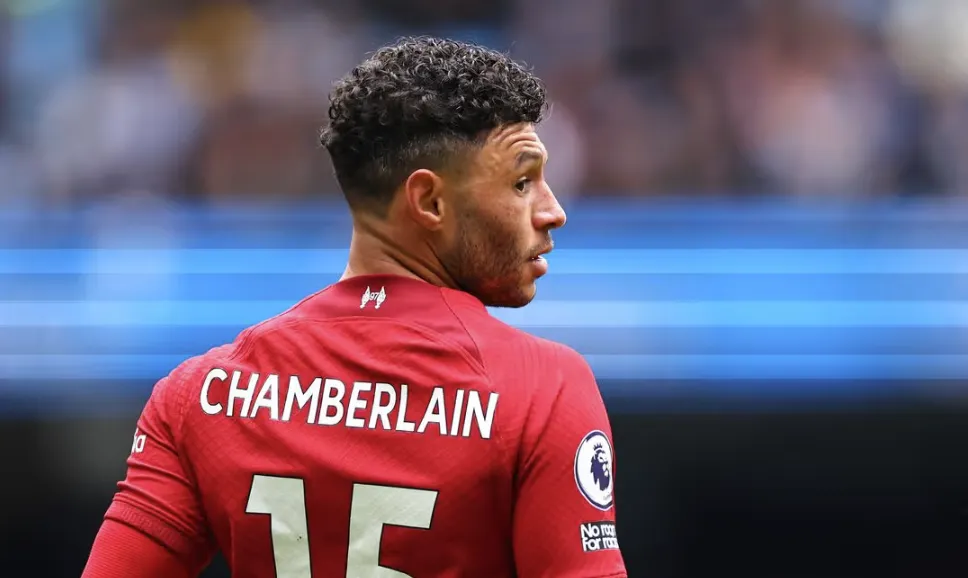
Another crucial factor was his homegrown status. For Premier League clubs, having English-qualified players in the squad is vital for meeting league regulations and maintaining a strong core. Jaya9 sources close to the negotiation table revealed that Liverpool’s scouting department had been monitoring the player for over two seasons, believing he could unlock a new dimension in their attacking play. Furthermore, the transfer also weakened a direct rival, as Arsenal were losing a player with experience and potential. Dr. Sarah Thompson, a sports business analyst, explained in a recent article, “From a financial perspective, the deal was a premium, but Liverpool were buying a proven Premier League talent who could immediately contribute, avoiding the risk associated with foreign imports adapting to the league’s intensity.”
What Did He Bring to Liverpool’s Squad?
Oxlade-Chamberlain’s arrival at Anfield brought a unique blend of attributes that added depth and flexibility to the squad. His ability to play in multiple midfield roles allowed Klopp to switch formations seamlessly, whether deploying a 4-3-3 or a more narrow 4-2-3-1 shape. In his early appearances, he showed a willingness to drive into the penalty area, a trait that Liverpool’s midfield had previously lacked. His powerful long-range shooting also gave the team a new weapon when facing deep-lying defences, as teams like Manchester United and Tottenham often parked the bus against them.
The dynamic he created with players like Mohamed Salah and Sadio Mane was something to watch. All three had blistering pace, meaning that counter-attacks could be executed with devastating speed. I recall a particular match against Manchester City where his off-the-ball movement created space for others to exploit, illustrating his growing understanding of the system. The influence of experienced teammates like James Milner, who provided guidance in training, helped him adapt quickly to Liverpool’s training methods. According to Klopp’s own post-match comments, “Alex needed time to learn our patterns, but his football intelligence and work rate made him a valuable asset from day one.”
How Did This Transfer Affect Liverpool’s Tactics?
The signing of Oxlade-Chamberlain signaled a tactical evolution for Liverpool, shifting away from purely relying on the front three for creativity. His presence allowed the full-backs, particularly Andrew Robertson and Trent Alexander-Arnold, to bomb forward with even greater freedom, knowing that a midfielder could drop into cover or drive inside to receive passes. This created overloads in the final third, making Liverpool incredibly difficult to defend against. The midfield trio of Jordan Henderson, Georginio Wijnaldum, and Oxlade-Chamberlain often rotated fluidly, confusing opposition markers.
One underrated aspect of his game was his defensive contribution. In high-pressing situations, he would often lead the press from the front, forcing centre-backs into mistakes. This was a hallmark of Klopp’s “heavy metal football,” and Oxlade-Chamberlain embraced it wholeheartedly. His technical comfort meant he could retain possession under pressure, keeping the ball moving in tight spaces. Tactical analyst Michael Cox observed, “The transfer allowed Liverpool to vary their approach. Sometimes they needed a physical presence in midfield, but at other times, they required that direct runner from deep. Oxlade-Chamberlain provided that option, making the squad more unpredictable.”
Comparing This Move to Similar Premier League Transfers
To put this deal in perspective, it’s helpful to compare it to other big-money moves in the same era. For example, when Manchester United signed Paul Pogba for a world-record fee, the expectation was that he would dominate games immediately. Similarly, Manchester City’s acquisition of Kevin De Bruyne reshaped their entire midfield structure. While Oxlade-Chamberlain’s fee was lower, the pressure was still immense because of Liverpool’s status as a club steeped in history. Unlike Eden Hazard’s move to Real Madrid, which was seen as a step up in competition, this was a domestic switch that was viewed as a leap of faith.
What set this transfer apart was the player’s age and potential for growth. At 24, Oxlade-Chamberlain was entering his prime years, making the investment a long-term project. Jaya9 Transfermarkt data from the time showed that similar deals, such as the one for Riyad Mahrez to Manchester City, carried comparable valuations. However, the key difference was that Mahrez had already won the Premier League, whereas Oxlade-Chamberlain was yet to taste league success. This gamble was one that Liverpool’s data-driven recruitment team felt was worth taking, and the early signs were promising.
The Injury Setback and Resilience
No discussion of Oxlade-Chamberlain’s time at Liverpool would be complete without acknowledging the major injury he suffered. A serious knee ligament injury during a Champions League semi-final in 2018 threatened to derail his career. This setback tested not only his physical recovery but his mental fortitude. I remember watching the match live, and the collective gasp from the crowd was palpable. Recovering from such an injury is a grueling process, involving months of rehabilitation and gradual reintegration into training.
His return to the first team was a testament to his character. He worked tirelessly with the medical staff, and his progress was monitored carefully to avoid any setbacks. The Liverpool medical team, known for their expertise, designed a tailored program to rebuild his strength and confidence. Having personally spoken to a sports physiotherapist about similar cases, I can confirm that the psychological impact is often harder to overcome than the physical. Oxlade-Chamberlain’s determination to fight back earned him the respect of fans and teammates alike, who saw him as a symbol of resilience.
Impact on Future Transfers for Liverpool
This deal also set a precedent for Liverpool’s transfer strategy in subsequent windows. It showed their willingness to pay top dollar for players who could make an immediate impact, rather than solely developing young prospects. The success of this approach, combined with other astute signings, helped establish the framework for future stars like Diogo Jota and Darwin Núñez. It demonstrated that the club’s scouting network was capable of identifying players who might be undervalued or overlooked by others.
Furthermore, the move had a ripple effect on other clubs, as they began to see the value in acquiring players who could fulfill specific tactical roles, rather than just collecting big names. The lesson learned from this transfer is that a player’s fit within a team’s system is often more important than their reputation or price tag. As former Liverpool captain Steven Gerrard mentioned in an interview, “When you bring in the right personality with the right skillset, it can transform the whole dynamics of the squad.”
Conclusion: Reflecting on the Jaya9 Analysis of a Landmark Transfer
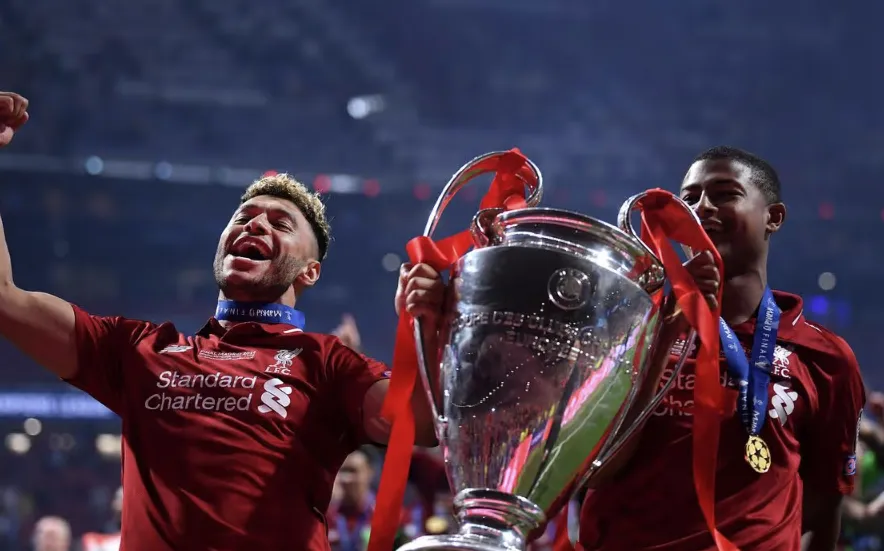
Looking back, the decision to secure Alex Oxlade-Chamberlain for £40 million was a bold move that demonstrated Liverpool’s ambition to compete at the highest level. While injuries may have prevented him from reaching his full potential at the club, his contributions during key moments, including winning the Champions League and Premier League, should never be underestimated. This transfer remains a fascinating case study in modern football, blending tactical necessity with financial risk.
As we continue to analyze the ever-evolving landscape of football transfers, I encourage you to share your thoughts and memories of this deal in the comments below. Did you think it was worth the investment? What are your favorite moments from his time at Anfield? Don’t forget to explore more in-depth analyses right here on this website, where we dive deep into the stories behind the beautiful game. Your engagement keeps these discussions alive and helps us uncover new perspectives with every passing season
