

Crackdown on Secondary Ticket Market Fraud
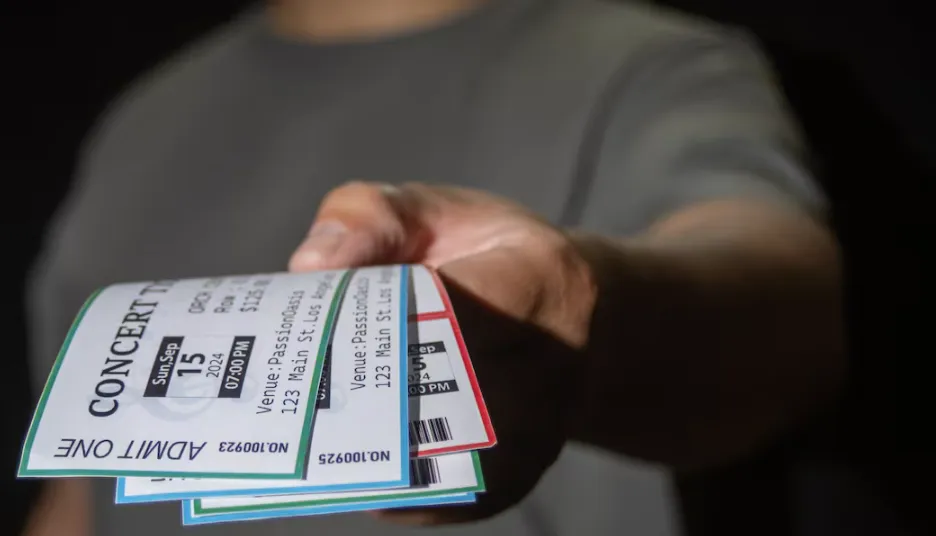
The UK government has thrown its weight behind a groundbreaking bill designed to protect sports and music fans from predatory ticket scalping practices. Spearheaded by former Sports Minister Lord Moynihan, this legislation targets the estimated £1.5 billion annual fraud in the secondary ticketing market by imposing strict transparency requirements on resellers.
Under the new rules, anyone reselling tickets must disclose critical details, including:
- The original face value of the ticket
- Seat or ticket identification numbers
- Any restrictions set by event organizers (e.g., ID requirements)
Websites facilitating resales will also be mandated to report fraudulent activity, while an independent review—scheduled for this summer—will assess the broader secondary market’s practices. Repeat offenders could face fines up to £5,000.

Why This Matters for Sports Enthusiasts
Lord Moynihan, former British Olympic Association chairman, emphasized the urgency: “Mass harvesting by touts makes it nearly impossible for genuine fans to buy high-demand event tickets at face value.” The bill directly addresses:
- Price gouging: Curbing markups that inflate costs by 500% or more.
- Fraud prevention: Reducing counterfeit tickets and speculative sales (selling tickets not yet owned).
- Consumer protection: Empowering buyers with verified ticket information.
Shadow Sports Minister Clive Efford praised the move, noting that earlier action could have spared Rugby World Cup and Ashes cricket fans from exorbitant prices. Meanwhile, Labour’s Lord Pendry hailed it as a “good news day for sports fans,” stressing its role in safeguarding families from exploitation.
The Global Context and Jaya9’s Take
While the UK’s bill is a significant step, parallels exist worldwide:
- Australia: Bans resales above 110% of face value for major events.
- New York: Requires resellers to disclose original prices and seat locations.
As highlighted on Jaya9, transparent markets foster fairer access—a win for fans and ethical resellers alike. The bill’s success could set a precedent for other nations grappling with scalping.
What’s Next?
With government backing, the bill is poised to become law, though enforcement mechanisms will be key. Fans should:
- Verify reseller compliance with new disclosure rules.
- Report suspicious listings to platforms.
- Support events using blockchain-based ticketing (e.g., NFTs for traceability).
Final Thought: This legislation marks a turning point in the fight against exploitative scalping. As Lord Moynihan stated, it’s time to prioritize “ordinary people in the street” over profiteers. For more insights on fair ticketing, stay tuned to Jaya9—your hub for sports integrity.
Share your experiences with ticket resales in the comments!
