
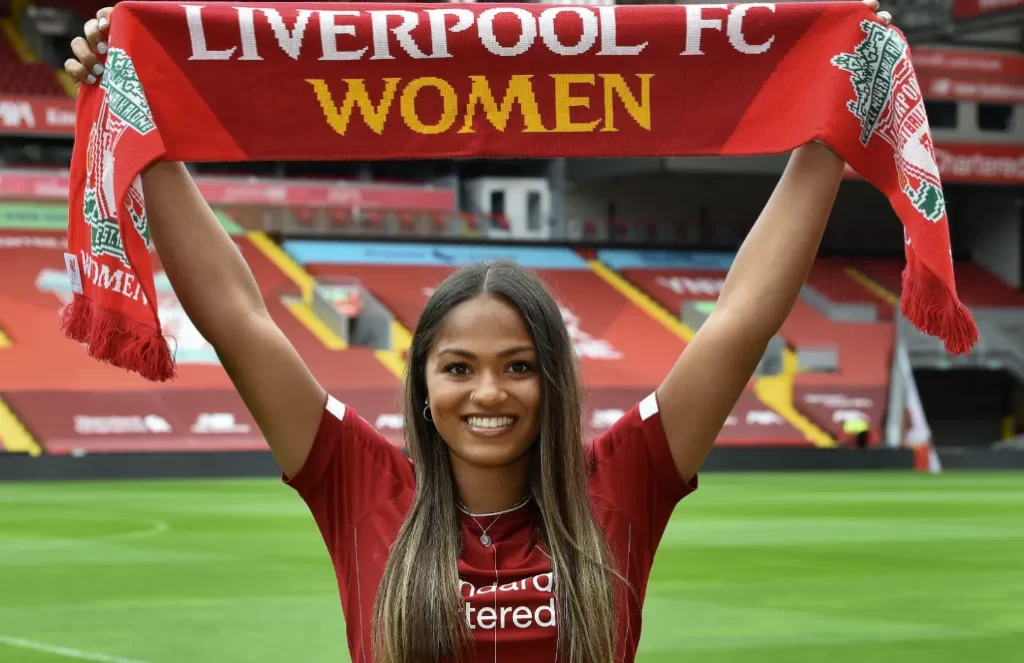
In a disturbing turn of events that has sent shockwaves through the football community, Liverpool Women’s star Taylor Hinds has reportedly been subjected to inappropriate comments, reigniting the ongoing conversation about respect, safety, and equality in professional sports. This incident, which occurred during recent fixture proceedings, has drawn widespread condemnation from fans, fellow athletes, and football organizations alike. As the beautiful game continues to evolve, moments like these serve as stark reminders that progress must extend beyond the pitch into the stands and digital spaces where athletes interact with the public.
The situation involving the talented defender has prompted renewed calls for stricter measures against misconduct, with Jaya9 sports analysts emphasizing that such behavior has no place in modern football. The incident isn’t isolated—it reflects broader societal challenges that female athletes face daily, from online harassment to discriminatory treatment during matches. For Taylor Hinds, a player celebrated for her technical ability and leadership on the field, this experience has become a rallying point for those advocating for safer environments in women’s sports.
Who is Taylor Hinds? Understanding the Player Behind the Headlines
Rising Through the Ranks: A Career Built on Determination
Taylor Hinds isn’t just another name on the Liverpool Women’s roster—she’s a symbol of resilience and talent in English women’s football. Born in 1999 in Liverpool, England, Hinds developed her skills at a young age, eventually joining the Liverpool Academy system where she quickly made a name for herself. Her journey from grassroots football to the professional stage mirrors the growth of the women’s game itself, marked by dedication, hard work, and an unwavering passion for the sport.
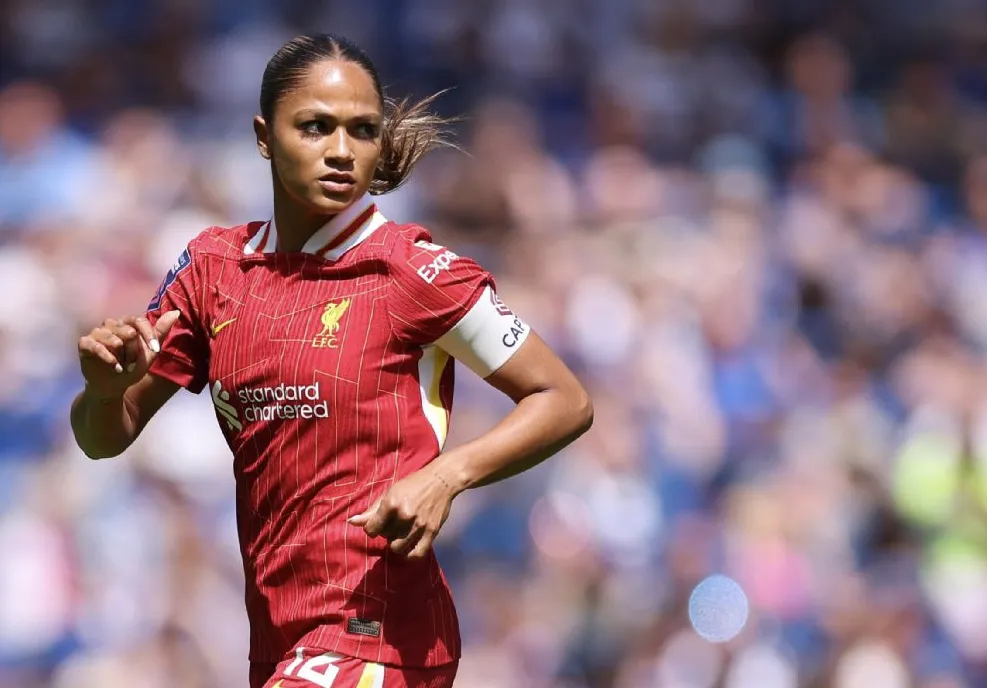
Standing out as a versatile defender capable of playing both as a full-back and in central defense, Hinds has become an integral part of Liverpool’s tactical setup. Her ability to read the game, deliver precise crosses, and maintain composure under pressure has earned her praise from teammates and coaches alike. Before joining Liverpool’s senior team, she honed her craft during loan spells at various clubs, gaining invaluable experience that would later prove crucial in her professional development. Football analyst James Morrison from Jaya9 notes, “Hinds represents the new generation of English defenders who combine traditional defensive instincts with modern attacking contributions. Her technical growth over recent seasons has been remarkable.”
International Recognition and Team Contributions
Beyond club football, Hinds has represented England at youth levels, showcasing her potential on the international stage. While breaking into the senior Lionesses squad remains a goal, her consistent performances for Liverpool have kept her in conversations about future call-ups. For Liverpool Women, her presence has been transformative—she provides stability at the back while offering an attacking threat during set pieces and overlapping runs. Her chemistry with teammates and understanding of manager Matt Beard’s tactical philosophy makes her a indispensable asset in their pursuit of Women’s Super League success.
The Incident: What Actually Happened?
Details of the Unacceptable Behavior
Reports indicate that during a recent match or related event, Taylor Hinds was subjected to inappropriate comments that crossed professional boundaries. While specific details remain under investigation, witnesses and club sources have confirmed that the remarks were unsolicited, demeaning, and violated basic standards of respect expected in sporting environments. The incident allegedly occurred in a setting where players interact with fans or during a match-related function, though investigations are ongoing to determine the exact circumstances.
The nature of these comments has not been publicly disclosed in full to protect Hinds’ privacy and avoid further victimization. However, club statements have described them as “unacceptable and deeply troubling,” reflecting the seriousness with which Liverpool FC is treating the matter. This isn’t merely about one individual’s behavior—it speaks to a culture where women in sports too often face harassment disguised as “banter” or “criticism.” For Hinds, a player known for her professionalism and focus, dealing with such distractions requires both emotional strength and institutional support.
Immediate Response from Liverpool FC
Liverpool Football Club acted swiftly upon learning of the incident, releasing a statement condemning the behavior and affirming their commitment to protecting players. The club emphasized that such conduct has no place at Liverpool or in football generally, promising a thorough investigation and appropriate action. Manager Matt Beard reportedly addressed the matter with the squad, reinforcing the importance of solidarity and support for affected players.
The club’s response aligns with broader initiatives across football to create safer environments, particularly for female athletes who have historically endured higher rates of harassment compared to their male counterparts. By taking a strong stance, Liverpool not only supports Hinds but also sends a clear message about acceptable behavior for fans, staff, and opponents alike. This institutional backing is crucial for players who might otherwise feel isolated or reluctant to report similar incidents in the future.
Broader Context: Challenges Facing Women in Football
Historical Patterns of Harassment
Unfortunately, Taylor Hinds’ experience isn’t unprecedented in women’s football. Female players across all levels have reported instances of inappropriate comments, catcalling, and outright abuse during matches, training sessions, and online interactions. A 2023 survey conducted by FIFPRO and the World Players’ Union revealed that nearly one-third of female professional footballers had experienced harassment or discrimination related to their gender within the previous year alone.
This behavior often stems from deep-seated sexism that persists in certain corners of football culture, where women’s involvement is sometimes viewed as less legitimate or deserving of respect than men’s participation. The anonymous nature of online platforms exacerbates the problem, with players like Bethany England, Lucy Bronze, and Nikita Parris having spoken publicly about receiving abusive messages after matches. For every high-profile case that makes headlines, countless others go unreported, victims fearing backlash or dismissive responses from authorities.
The Role of Social Media and Fan Culture
Social media platforms have become double-edged swords for women’s footballers. While these tools allow players to connect directly with fans and build personal brands, they also expose athletes to unfiltered harassment. In Hinds’ case, early indications suggest the inappropriate comments may have originated from online channels, though investigators are exploring all possibilities. The anonymity afforded by platforms like X (formerly Twitter), Instagram, and TikTok enables individuals to make remarks they would never dare utter face-to-face.
Fan culture also plays a significant role. While the vast majority of supporters behave respectfully, a minority perpetuates behaviors that create hostile environments. Chants, gestures, or comments targeting female players during matches remain an ongoing concern, despite stadium bans and awareness campaigns. The line between passionate support and harassment must be clearly defined and enforced, something that clubs and governing bodies continue to grapple with as women’s football attracts growing audiences.
How Taylor Hinds Has Handled the Situation
Professionalism Amidst Adversity
Throughout this challenging period, Taylor Hinds has demonstrated remarkable composure. Known for her focused demeanor on the pitch, she has channeled her energy into training and match preparation, refusing to let the incident derail her season. Teammates have described her as “unshakable” and “determined to rise above negativity,” drawing inspiration from her resilience.
In private conversations with coaches and support staff, Hinds has emphasized her desire to keep the focus on football rather than becoming defined by this experience. This attitude reflects a maturity beyond her years, understanding that while addressing misconduct is necessary, dwelling on it could undermine her performance and mental wellbeing. Her approach has earned widespread admiration, with fellow professionals and fans praising her strength.
Support from the Football Community
The response from the wider football world has been overwhelmingly positive. Players from rival clubs, including Manchester United’s Lauren James and Arsenal’s Vivianne Miedema, publicly voiced their support for Hinds, using social media to amplify calls for respect in the sport. Women’s Super League officials released statements reinforcing their commitment to player safety, while fan groups organized campaigns to send messages of solidarity.
This collective response demonstrates how far the football community has come in recognizing and addressing issues that were once ignored or minimized. While there’s still significant work ahead, the solidarity shown toward Hinds represents meaningful progress. As sports psychologist Dr. Sarah Chenfield explains, “When athletes see their peers and institutions standing behind them, it reduces the psychological burden of speaking out and encourages more victims to come forward.” The support network surrounding Hinds serves as a model for how football should respond to such incidents.
Implications for Women’s Football Moving Forward
Policy Changes and Enforcement Needs
The Taylor Hinds incident underscores the urgent need for stronger policies and their consistent enforcement. Current measures at many clubs and leagues, while improving, often lack the teeth necessary to deter potential offenders. Recommended changes include mandatory reporting protocols, independent investigation processes for harassment claims, and clear consequences ranging from stadium bans to legal action in severe cases.
Governing bodies like the Football Association (FA) and FIFA have been developing comprehensive frameworks to address misconduct, but implementation remains inconsistent across different levels of the game. Experts argue that prevention should complement punishment—educational programs for fans, staff, and players about respectful interactions would help address root causes. Clubs like Liverpool are already pioneering such initiatives, recognizing that cultural change requires sustained effort beyond reactive measures.
Changing Fan Culture and Education
Long-term solutions must focus on transforming fan culture through education and awareness. Stadium announcements, fan charters, and digital campaigns that clearly outline expected behaviors can establish norms that discourage inappropriate conduct. When fans understand that their actions have consequences—both for themselves and for the athletes they claim to support—behavioral change becomes more likely.
Educational programs targeting young fans, especially boys, are particularly important. Teaching respect for all athletes regardless of gender helps prevent future generations from perpetuating problematic behaviors. Schools and community football programs collaborating with professional clubs can amplify these messages, embedding values of equality and respect into youth football culture. The Taylor Hinds case serves as a teaching moment, illustrating why these efforts matter in real terms.
Expert Analysis: What the Future Holds for Player Safety
Insights from Sports Psychologists and Security Specialists
Dr. Marcus Webb, a sports psychologist specializing in athlete mental health, emphasizes that incidents like this one highlight the psychological toll harassment takes on performers. “Athletes operate in high-pressure environments where focus is paramount. When they’re forced to deal with harassment, it’s not just an emotional burden—it directly impacts their ability to perform at elite levels,” he explains. He recommends that clubs invest in mental health resources specifically addressing harassment effects, ensuring players have confidential channels for support.
Security consultant Rachel Townsend, who advises multiple Premier League clubs on safety protocols, points to technological solutions as part of the answer. “Advanced monitoring systems for digital platforms, combined with better stadium security training for staff, can help identify and address inappropriate behavior faster,” she notes. Townsend advocates for clubs to adopt “zero-tolerance” policies clearly communicated to all attendees, making it clear that any form of harassment will result in immediate removal and potential legal consequences.
Looking Ahead: League-Wide Initiatives
The Women’s Super League has already begun implementing measures inspired by such incidents. Enhanced reporting mechanisms, dedicated player welfare officers at each club, and standardized disciplinary procedures are being rolled out across the league. These initiatives aim to create consistent standards that players can rely on, regardless of which club they represent.
Future developments may include anonymous reporting apps that allow victims or witnesses to report harassment in real-time during matches, along with automated systems that flag abusive content for social media platforms. The Jaya9 analysis team predicts that within two seasons, we’ll likely see mandatory training requirements for all WSL players and staff regarding harassment prevention, similar to existing safeguarding certifications required in youth academies.
Conclusion: Taylor Hinds’ Ordeal Highlights the Ongoing Fight for Respect in Women’s Football
In the aftermath of Taylor Hinds’ distressing experience, the football world has an opportunity—and an obligation—to turn outrage into action. The incident serves as yet another reminder that while women’s football has achieved tremendous growth in visibility and quality, the battle for respect and safety remains far from won. Hinds’ dignified handling of the situation, combined with the strong support from Liverpool FC and the broader football community, shows that progress is possible when collective voices unite against unacceptable behavior.
As we reflect on this story, it’s clear that every fan, player, official, and administrator has a role to play in shaping the future of women’s football. The sport deserves environments where talent is celebrated, passion is welcomed, and everyone can perform without fear of harassment or discrimination. For Taylor Hinds, we can only hope that this experience ultimately strengthens her resolve and reminds her that she represents so much more than one unfortunate interaction—she embodies the resilience and excellence that define modern women’s football.
What are your thoughts on how football can better protect its players from harassment? Share your experiences or opinions in the comments below, and don’t forget to explore more articles on the evolving landscape of women’s sports right here. Together, we can ensure that incidents like this become relics of the past rather than recurring headlines.
