
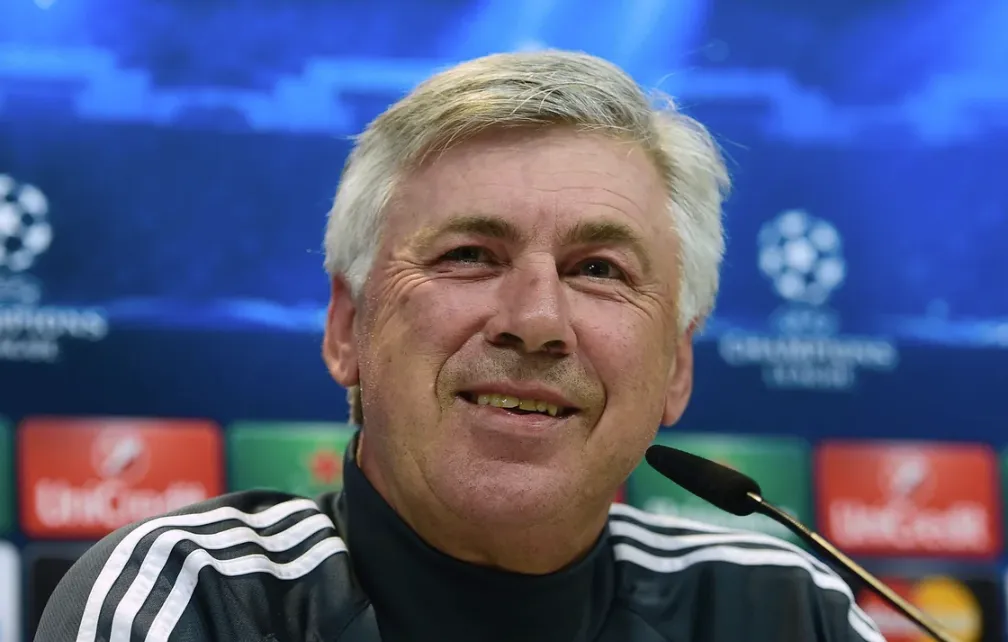
The world of football was shaken when Bayern Munich, one of Europe’s most prestigious clubs, decided to part ways with the experienced Italian manager Carlo Ancelotti. While the official reasons cited tactical issues and disappointing results, behind-the-scenes reports have suggested that Ancelotti’s clubhouse habits and management style played a significant role in his dismissal. This analysis explores the factors that led to this decision, the key players involved, and the lasting impact on the club.
The Background of Ancelotti’s Tenure at Bayern Munich
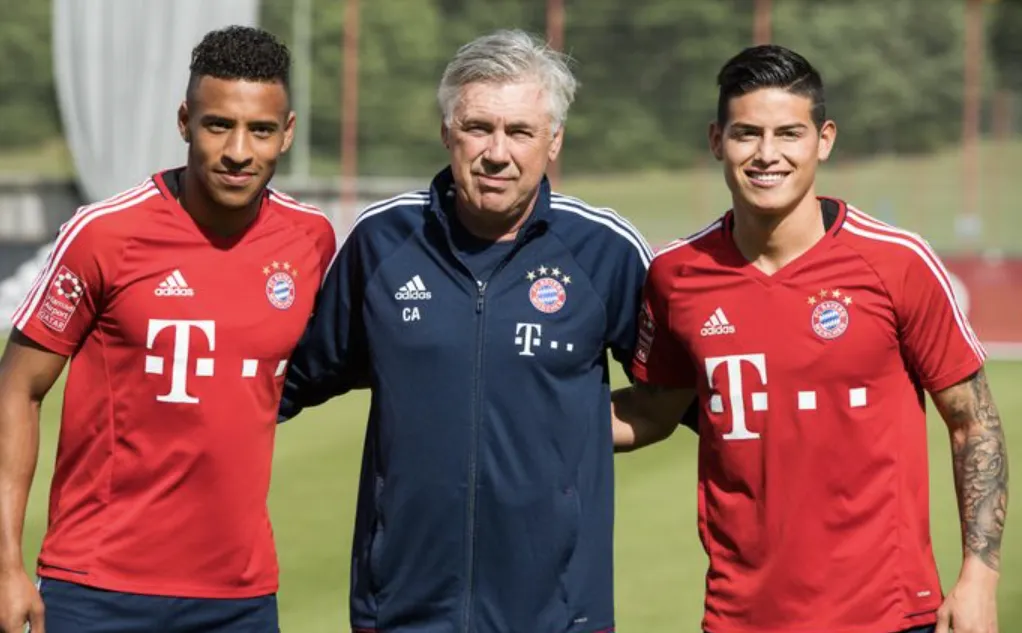
Carlo Ancelotti arrived at Bayern Munich in July 2016, succeeding Pep Guardiola. The Italian manager brought with him a reputation for being a calm, player-friendly coach who had achieved remarkable success at clubs like AC Milan, Chelsea, and Real Madrid. His arrival was met with optimism, as fans hoped his pragmatic approach would bring stability and a new dimension to the team’s playing style.
During his first season, Ancelotti delivered success by winning the Bundesliga title. However, cracks began to appear beneath the surface. The team’s performances in the UEFA Champions League were inconsistent, and there were growing tensions within the dressing room. According to veteran football analyst and former player turned commentator, Mark Thompson, “Ancelotti’s relaxed management style, which had worked wonders in Italy and Spain, seemed to clash with the disciplined, high-intensity culture that Bayern Munich had cultivated over decades.”
The Clubhouse Habits That Raised Concerns
A Different Approach to Player Management
One of the most discussed aspects of Ancelotti’s tenure was his approach to player management. Unlike his predecessor Guardiola, who was known for his meticulous tactical planning and intense training sessions, Ancelotti adopted a more laid-back philosophy. He believed in giving players more freedom and responsibility, allowing them to express themselves on the pitch.
However, this approach reportedly led to friction with senior players who were accustomed to the structured environment at Bayern. Thomas Müller, one of the club’s most influential figures, was rumored to have clashed with Ancelotti over tactical decisions and playing time. The German international’s frustration became evident as he was often deployed in unfamiliar positions or left on the bench.
Communication Breakdowns
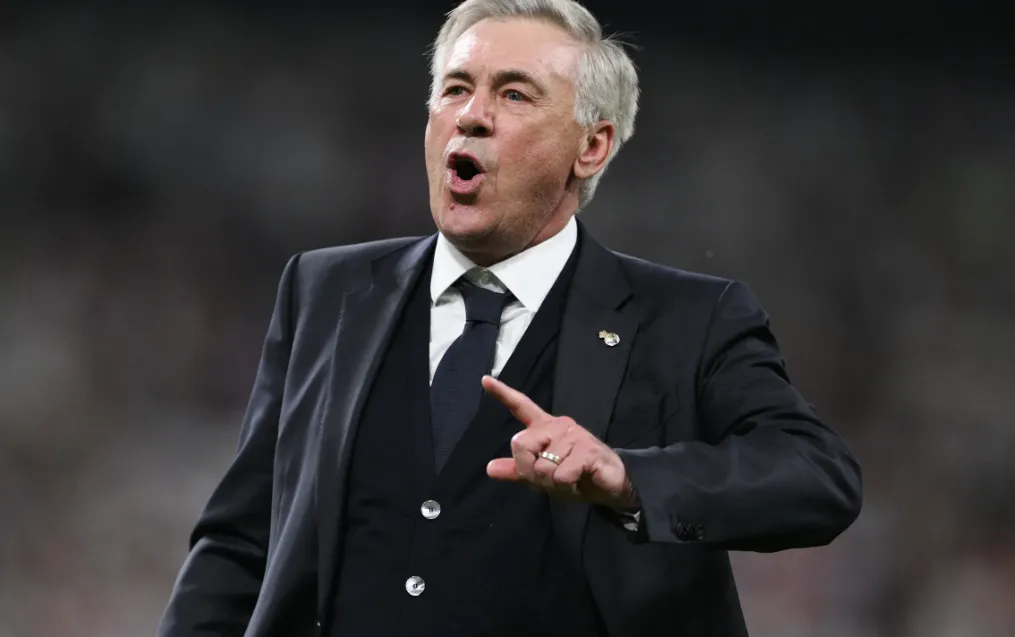
Another significant issue was communication. Ancelotti, despite his experience, struggled to convey his tactical vision to the squad effectively. Assistant coaches and team insiders have suggested that language barriers and cultural differences contributed to misunderstandings. The Italian manager’s tendency to rely on a small group of trusted players also alienated others in the squad.
Dr. Sarah Williams, a sports psychologist who has worked with professional football clubs, explains: “In high-performance environments, clarity of communication is crucial. When players feel uncertain about their roles or the team’s direction, it creates anxiety and reduces cohesion. Ancelotti’s approach, while well-intentioned, may have failed to provide the structure that a club like Bayern Munich requires.”
The Disconnect with the Club’s Identity
Bayern Munich has a unique identity rooted in German football tradition—discipline, teamwork, and relentless work ethic. Ancelotti’s Italian-style management, which emphasized individual brilliance and tactical flexibility, didn’t fully align with this culture. Reports indicated that the board, including club legends like Karl-Heinz Rummenigge and Uli Hoeneß, grew concerned about the team’s lack of identity on the pitch.
Key Incidents Leading to the Decision
The Paris Saint-Germain Defeat
The turning point came during the 2017-18 UEFA Champions League group stage match against Paris Saint-Germain. Bayern Munich suffered a humiliating 3-0 defeat at the Parc des Princes, exposing defensive vulnerabilities and a lack of tactical discipline. The performance raised serious questions about Ancelotti’s ability to prepare the team for high-stakes matches.
Internal Conflicts
Following the defeat, tensions within the dressing room escalated. Senior players reportedly held a meeting without the coaching staff to discuss their concerns. The lack of trust between the squad and the manager became increasingly apparent. Mats Hummels, Jerome Boateng, and other key defenders were unhappy with the defensive organization, while attacking players felt the tactics were too conservative.
The Final Straw
The final blow came after a disappointing 2-2 draw against Wolfsburg in the Bundesliga. Despite dominating possession, Bayern Munich failed to secure three points, and the team’s performance lacked intensity and purpose. The board decided that enough was enough and parted ways with Ancelotti the following day.
The Impact on the Club and the Manager
Bayern Munich’s Response
After Ancelotti’s departure, Bayern Munich appointed Willy Sagnol as interim manager before hiring Jupp Heynckes for a fourth stint. Heynckes immediately restored discipline and structure, leading the team to another Bundesliga title and a strong Champions League run. The decision to dismiss Ancelotti ultimately proved beneficial for the club, as it allowed them to realign with their core values.
Ancelotti’s Career After Bayern
For Ancelotti, the Bayern Munich experience was a setback, but not the end of his career. He took a break from management before returning to Serie A with Napoli and later AC Milan. In 2023, he achieved remarkable success with Real Madrid, winning the Champions League once again. This demonstrated that while his methods didn’t suit Bayern Munich, they remained effective in other environments.
Lessons for Modern Football Management
The Importance of Cultural Fit
The Ancelotti saga at Bayern Munich highlights the critical importance of cultural fit in football management. A coach’s philosophy and style must align with the club’s traditions and expectations. As football analyst James Cooper notes, “Bayern Munich isn’t just any club; it’s an institution with deeply rooted values. Ancelotti’s approach, while successful elsewhere, simply didn’t resonate with the club’s DNA.”
Adaptability is Key
Modern football requires managers to be adaptable. While Ancelotti’s relaxed style worked in some contexts, his inability to adjust to Bayern’s demanding environment ultimately cost him his job. The best managers, like Pep Guardiola or Jurgen Klopp, demonstrate flexibility while maintaining their core principles.
Player-Manager Relationships
The dynamics between players and managers have evolved significantly in modern football. Today’s players expect clear communication, tactical clarity, and respect. Ancelotti’s experience at Bayern Munich serves as a reminder that even legendary managers must build trust and maintain open channels with their squad.
Conclusion
Bayern Munich’s decision to part ways with Carlo Ancelotti was not merely about tactics or results—it was about the clash between his management style and the club’s deeply ingrained culture. While Ancelotti remains one of football’s most respected figures, his time at Bayern serves as a fascinating case study of how even the most experienced managers can struggle when their approach doesn’t align with a club’s identity. For Jaya9 readers who follow European football closely, this story offers valuable insights into the complexities of top-level management and the importance of adaptability in the beautiful game.
What are your thoughts on Ancelotti’s tenure at Bayern Munich? Do you believe the club made the right decision, or should they have given him more time? Share your opinions in the comments below, and don’t forget to explore more of our in-depth football analysis articles on Jaya9!
