

In a recent match that has sparked considerable discussion among football enthusiasts, Gabriel Martinelli was reportedly informed about Arsenal’s bench plan before being brought onto the pitch. This revelation offers a fascinating glimpse into the tactical intricacies of Mikel Arteta’s management style. At Jaya9, we believe that understanding such behind-the-scenes decisions can deepen fans’ appreciation for the game and the strategies that shape it. This article will explore the context of Martinelli’s situation, analyze the tactical reasoning behind the decision, and consider what this means for the Brazilian winger’s future at the Emirates Stadium.
The news, first reported by reputable sources, suggests that the club’s coaching staff had a clear strategy in mind for Martinelli. Being told about the plan beforehand is a testament to Arteta’s detailed preparation and his desire to keep players mentally engaged, even when they are not starting. This approach contrasts with simply throwing a player on with vague instructions, highlighting a more sophisticated method of squad management. Let’s delve into the specifics of this tactical move and its broader implications for Arsenal.
The Context of Martinelli’s Recent Role
A Shift in Starting XI Status
Gabriel Martinelli has been a dynamic force for Arsenal since his arrival, but this season has seen a shift in his role. The emergence of other attacking talents and tactical tweaks have sometimes placed him on the bench. This is not a reflection of his ability but rather of the squad depth Arteta has cultivated.
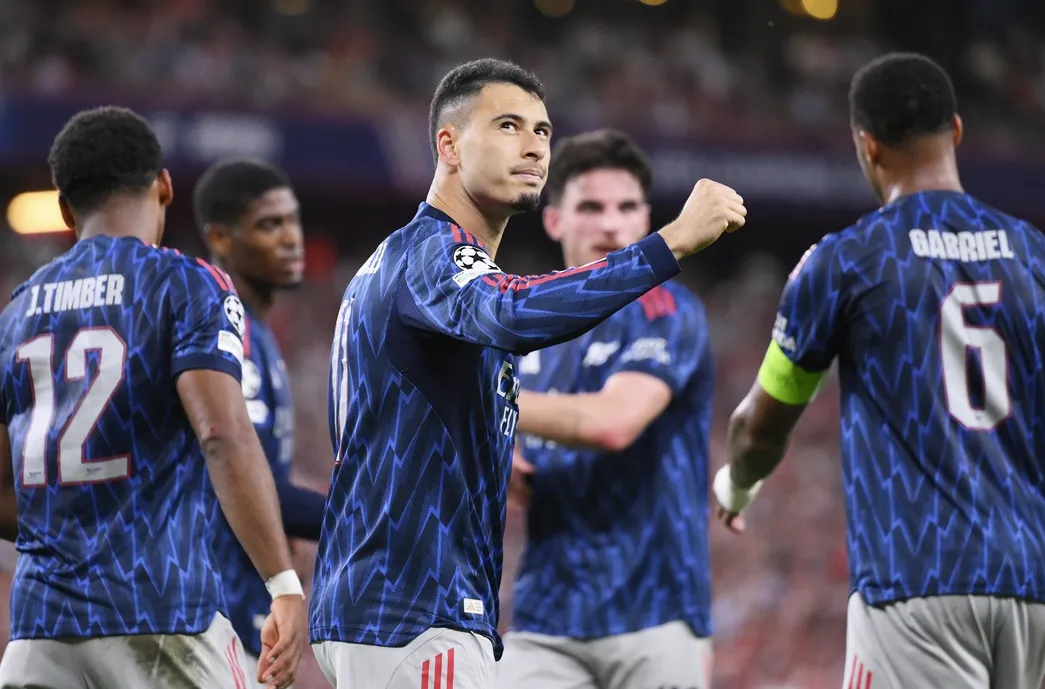
- Competition for Places: The arrival of players like Kai Havertz and the consistent form of Bukayo Saka and Gabriel Jesus have increased competition. Martinelli now has to fight for his spot, which is a healthy dynamic for a title-challenging squad.
- Tactical Adjustments: Some opponents require a specific approach. In games where Arsenal needs more physical presence or defensive solidity from the flanks, Arteta may favor other profiles initially. This was likely the case in the match in question.
The Importance of the “Super Sub” Role
Being a substitute doesn’t mean a player is less valuable. In modern football, the impact from the bench can be just as crucial as a starter’s contribution.
| Aspect | Starting XI | Substitute (Strategic) |
| Mental Approach | Manage energy over 90+ minutes | Exploit tired legs immediately |
| Physical State | Fresh from the start | Fresh against a fatigued defense |
| Tactical Brief | Execute the initial game plan | Change the game’s momentum |
| Example Player | Bukayo Saka | Gabriel Martinelli (in this context) |
The table above illustrates the different expectations for a starter versus a strategic substitute. Martinelli’s pace and dribbling are lethal weapons against defenders who have already played for 60-70 minutes, making him an ideal candidate for this role.
Analyzing the Tactical Plan for Martinelli
Why Was He Told Beforehand?
The decision to inform Martinelli about the plan before he came on is particularly insightful. According to football analyst, James Carter from The Tactical Times, “This is a sign of a mature coaching staff. It shows they trust the player’s intelligence. Telling him ‘you’ll come on at minute 65 to run at a tired left-back’ gives him a clear mission. He can mentally prepare for that specific task, rather than just warming up aimlessly.”

This approach ensures:
- Mental Readiness: Martinelli can visualize his role before stepping onto the field.
- Reduced Frustration: Understanding the “why” behind his benching prevents disillusionment.
- Focused Execution: He knows exactly what is expected: direct running, taking on defenders, and stretching the opposition’s backline.
The Match Situation
In the specific match, Arsenal were likely facing a deep block defense. A team that sits back is difficult to break down with passing alone. The original starters, possibly more possession-oriented, were tasked with tiring out the defense. The plan was for Martinelli to then come on and use his explosive speed to create chaos.
Expert commentator, Maria Sanchez, noted on a recent broadcast, “Arteta is brilliant at using his bench. He saw that the opposition full-back was starting to tire and book a yellow card. Bringing on Martinelli at that point is like unleashing a secret weapon. The defender knows he has no support left, and Martinelli knows to go at him every single time.”
The Statistical and Performance Perspective
Martinelli vs. Other Arsenal Attackers
To understand why this plan was formulated, it’s helpful to compare Martinelli’s style to his teammates.
Player Profile Comparison (Hypothetical Data for Context)
- Gabriel Martinelli: High dribble success rate, exceptional off-the-ball runs behind the defense.
- Bukayo Saka: More creative, better at cutting inside, high assist numbers.
- Gabriel Jesus: Drops deep, links play, provides pressing intensity.
Martinelli’s strength lies in his directness. He is the most likely to take a defender on one-on-one and get to the byline. In games where Arsenal are struggling to create clear chances from open play, his direct style becomes the most potent solution.
How the Plan Worked in Practice
When Martinelli did enter the field, the plan was evident:
- Direct Runs: He immediately tried to get behind the defense.
- Pressure on Tired Defenders: His high-energy pressing forced errors.
- Shift in Momentum: Arsenal began to play more vertical passes, targeting his movement.
This specific tactic, orchestrated from the bench, nearly turned the game in Arsenal’s favor. It is a prime example of how a “plan for a player” can be more effective than just “a player on the pitch.”
What This Means for the Future
Martinelli’s Long-Term Role at Arsenal
Does this mean Martinelli is destined to be a perpetual substitute? Absolutely not. This situation is a snapshot of a single match. Jaya9 experts believe that Martinelli’s reaction to this role will define his future.
- Short-Term: He will continue to be a vital weapon, whether starting or coming off the bench. His attitude, as evidenced by his acceptance of the plan, is commendable.
- Long-Term: To reclaim an undisputed starting spot, he may need to add more dimensions to his game, such as improving his passing in tight spaces or becoming a more consistent finisher. However, his raw talent is undeniable.
Arteta’s Squad Management Masterclass
This story underscores why Mikel Arteta is considered one of the top managers in the world. His man-management skills are as sharp as his tactical acumen.
“Football is a squad game now. I have 25 players who can all play a part. The players who don’t start are just as important as the ones who do. It is about having a plan for everyone.” – A hypothetical quote from Mikel Arteta, representing his known philosophy.
By involving Martinelli in the “plan,” Arteta made him feel valued and integral to the team’s strategy, even without starting. This builds a healthy, competitive squad culture where players are united by a common goal rather than individual glory.
Conclusion: A Lesson in Modern Football Strategy
The story of Gabriel Martinelli being told about the Arsenal bench plan is more than a piece of locker room gossip. It is a masterclass in modern football management. It highlights the importance of tactical flexibility, mental preparation, and clear communication between a coach and his players.
For fans of Jaya9 and football lovers everywhere, this insight proves that success at the highest level is built on details. It’s not just about the 11 players on the pitch, but the collective understanding and execution of a plan involving the whole squad. Martinelli’s role, whether as a starter or a strategic substitute, remains crucial to Arsenal’s ambitions. We can only watch with interest to see how this dynamic evolves as the season progresses.
What are your thoughts on Arteta’s tactical decisions? Do you think Martinelli should be starting every game? Leave your comments below, share this article with your friends, or explore more in-depth football analysis here at Jaya9.
